Listen to this article EN Ready

📢 The New D2C Playbook: Insights from April 2026

5 Proven Inventory Tracking Strategies Every Philippine E-Commerce Brand Needs Right Now

by

Apr 23, 2026 | E-commerce Industry

Home > Blog > 5 Proven Inventory Tracking Strategies Every Philippine E-Commerce Brand Needs Right Now

In e-commerce, every scroll and every moment of customer intent matter. If you miss it, someone else will capture it.

But why are we talking about customer intent? Let’s understand this with a scenario. A customer is ready to buy your product, but it has been marked “out of stock” on your website for the past two days, even though it is available in your warehouse. Because your inventory isn’t updated in real time, the customer moves on. A competitor offers a similar product, and the sale is lost.

It’s a missed opportunity at the exact moment of purchase intent. The gap between your actual stock and what your store shows is quietly costing you customers.

The fix is implementing the right inventory tracking strategies,  backed by a proper inventory tracking system built for multi-channel Philippine operations that keeps every SKU updated in real time, ensuring you never lose a buying moment again.

But what exactly is it, and how does it work? Let’s find out.

This Blog will cover: 

  • What is an inventory tracking system, and what does it track?
  • Why does your business need it?
  • 5 proven strategies to improve inventory control
  • How does Unicommerce simplify inventory tracking for you?

What Is an Inventory Tracking System and What Does It Track in Real Time?

An inventory tracking system is software that monitors the movement, location, quantity, and status of every product in your business in real time, across every sales channel and warehouse you operate.

It tells you:

  • Exactly how many units of each SKU you have right now
  • Where they are stored (which warehouse, which bin)
  • Which items are selling fast, and which are collecting dust
  • When the stock is running low, you can reorder before a stockout.
  • How every return, transfer, and dispatch has affected your overall stock count

For Philippine brands managing orders across Shopee, Lazada, TikTok Shop, and a brand website at the same time, this real-time accuracy is the difference between a fulfilled order and a cancellation.

What exactly does an inventory tracking system track?

A real-time inventory tracking system tracks six core things across your entire operation, which are: 

1. Product

Every item in your catalog is assigned a unique identifier: a SKU, barcode, or QR code. This ensures every product can be tracked precisely, no matter how many variants you carry or how many channels you sell on.

2. Quantities

The live count of every unit available across every location. When a unit sells on Lazada, the system deducts it instantly. When a return comes in from Shopee, it gets added back after quality check.

3. Locations

Where your inventory physically sits, whether that’s a warehouse in Metro Manila, a fulfillment hub in Cebu, or a specific rack and bin inside a facility.

4. Statuses

A good tracking system distinguishes between stock that is in stock, out of stock, reserved for a pending order, in transit, under quality check after a return, or flagged as damaged.

5. SKU Details

Beyond just a name and price, every SKU carries full product information: category, supplier, weight, dimensions, batch number, and expiry date, where applicable. For Philippine FMCG and beauty brands, this detail enables FIFO and FEFO management, ensuring that older or expiring stock moves first.

6. Transactions

Sales, returns, stock transfers, manual adjustments, restocking, all of it is logged in real time with a full audit trail. This means if a discrepancy appears, you can trace exactly where it came from.

All of this can be tracked through robust software, but the real question is why tracking has become so important for businesses that want to scale without losing customers. The reasons become clear below.

Why Your Business Needs a Tracking System to Scale?

As your Philippine e-commerce business grows across Shopee, Lazada, and TikTok Shop, managing stock manually becomes the first thing that breaks.

Here’s exactly where brands start losing control:

1. Overselling Across Channels

The same SKUs get sold on multiple platforms because stock isn’t updated in real time, and businesses end up accepting orders they cannot fulfill. This leads to order cancellations, unhappy customers, and lower seller ratings.

2. Stockouts During Peak Seasons

Businesses realize products are out of stock only after a customer tries to place an order. During high-demand periods like 11.11 or Christmas, this results in missed sales and lost revenue.

3. Dead Stock Piling Up

Products that aren’t selling stay in the warehouse because there’s no clear visibility. This blocks cash flow while bestsellers run out of stock.

4. Manual Warehouse Errors

Stock updates done in spreadsheets lag behind actual movements. This causes incorrect counts, wrong dispatches, and delays in fulfilling orders.

5. Poor Reordering Decisions

Without real-time inventory data, businesses guess what to restock. This leads to overbuying slow-moving items and running out of high-demand products.

So, what’s the solution to all these problems? The challenges mentioned above need the right strategies that not only support business growth but also create long-term scalability. Some of the most effective strategies are listed below.

Best 5 Strategies to Solve Inventory Challenges and Drive Growth

The Philippine e-commerce market continues to grow at a CAGR of over 13.32%. Brands are now selling across Shopee, Lazada, TikTok Shop, Zalora, and their own websites at the same time. Orders are increasing, product catalogs are expanding, and warehouses are under more pressure than ever.

To keep up with this fast-changing demand, here are the 5 most effective strategies brands use to stay in full control of their inventory.

Strategy 1: Centralize Your Inventory View Across All Sales Channels

The biggest inventory problem Philippine e-commerce brands face is a shortage of clarity. When you sell on Shopee, Lazada, TikTok Shop, and your own website at the same time, you end up with separate stock data across each platform. This makes it difficult to know the actual inventory available.

  • Result: Overselling on Shopee because Lazada just fulfilled the same SKU. Or worse, all channels show stock availability while your warehouse is already empty.
  • Solution: A proper inventory tracking system for small businesses syncs your stock count across every channel through a single dashboard. When one unit sells on Lazada, stock levels on every other platform update automatically in real time.

Strategy 2: Set Up Real-Time Low Stock Alerts Before Problems Happen

Many Philippine brands realize they are out of stock only after a customer places an order and the warehouse cannot fulfill it. By that time, the order gets canceled, the customer experience is damaged, seller ratings may drop, and revenue is lost.

  • Result: No visibility into fast-moving stock levels and no warning before products run out.
  • Solution: A real-time inventory tracking system allows you to set low-stock alerts for each SKU. When inventory falls below a set level, such as 10 units, the system automatically notifies your team so they can reorder in time.

Strategy 3: Implement Barcode Scanning to Eliminate Manual Errors

Many warehouses still manage inventory through handwritten notes, spreadsheets, or manual stock counting. While this may seem manageable, it often creates hidden errors that grow over time.

  • Result: Wrong SKU entries, duplicate counts, missed updates, and incorrect stock records caused by manual processes.
  • Solution: Implement barcode or QR code scanning for every product and inventory movement. Each action, including receiving, putaway, picking, packing, and dispatch everything is recorded through a quick scan instead of manual entry.

Strategy 4: Track Every Product by SKU, Batch, and Location

Not all inventory is the same, even when it is the same product. A single item may have different variants, batches, expiry dates, or storage locations inside the warehouse.

  • Result: Without detailed tracking, older stock may remain unused while newer stock gets dispatched first. Products close to expiry may reach customers, returns can increase, and warehouse teams may waste time searching for items.
  • Solution: Use the best inventory tracking software that monitors every product by SKU, batch, and warehouse location.


  • SKU-Level Tracking keeps separate records for each variant, such as size, color, or type.
  • Batch Tracking helps monitor production lots, expiry dates, or supplier batches.
  • FIFO / FEFO Picking ensures older or soonest-expiring stock is dispatched first.
  • Location Tracking shows the exact warehouse, rack, shelf, or bin where products are stored.

Strategy 5: Use Inventory Data to Make Smarter Purchase and Sales Decisions

Many brands use their inventory tracking system only to check available stock. Smart brands use it to make better purchasing and sales decisions. 

  • Result: Without inventory data, businesses rely on guesswork. This often leads to overordering slow-moving products, understocking bestsellers, and locking cash in the wrong inventory.
  • Solution: Use your inventory tracking system to analyze real-time stock movement, sales trends, returns, and demand patterns.

This data helps you understand:

  • Which SKUs are selling fast and need urgent restocking
  • Which products are not moving and creating dead stock
  • Which channels generate higher returns
  • When demand peaks during sale seasons
  • Whether order fulfillment performance is improving or declining

These five strategies deliver results only when backed by the right execution. To implement them effectively, businesses need a reliable and best inventory tracking software like Unicommerce that can adapt to their operational needs.

But what makes us so confident about this? In the next section, explore how Unicommerce helps businesses simplify inventory management and scale with confidence.

Why Philippine Brands Are Choosing Unicommerce for Inventory Tracking?

The Philippine e-commerce market is one of the fastest-growing in Southeast Asia. With 78% of online purchases happening through smartphones, intense marketplace competition, and sale seasons that can triple order volumes overnight, brands cannot rely on inventory systems that lag, fail, or depend heavily on manual work.

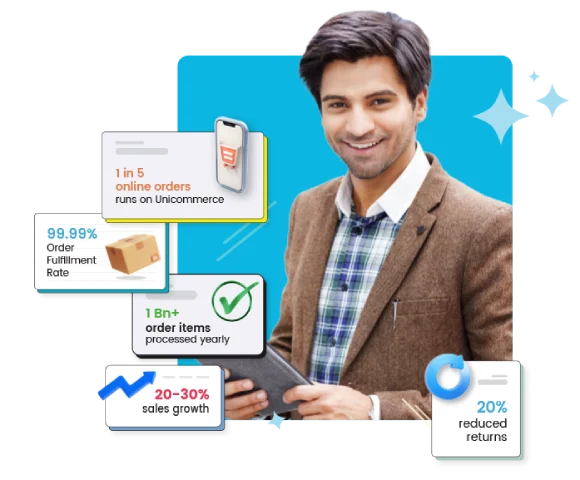
Unicommerce inventory tracking system is built for this level of scale and speed. It is trusted by 7,000+ clients globally, and processes over 101 crore transactions every year. With 280+ integrations across leading Philippine and global platforms such as Shopee, Lazada, TikTok Shop, Zalora, and Shopify, businesses can manage operations from one connected system.

Here’s why Philippine brands are choosing Unicommerce for inventory tracking:

Feature What It Solves
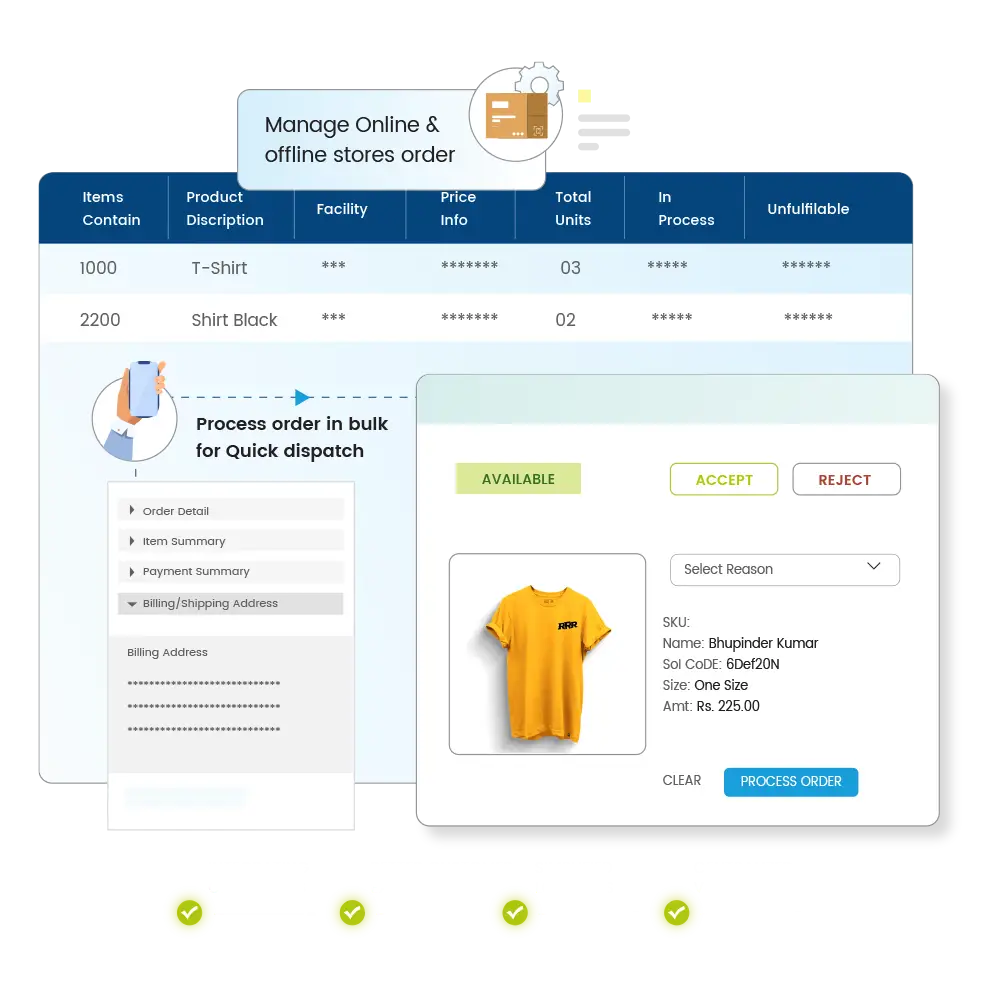
Real-time multi-channel stock sync Eliminates overselling across Shopee, Lazada, TikTok Shop
Low stock alerts and reorder signals Prevents stockouts during 9.9, 11.11, and Christmas sales
Barcode-based warehouse operations Removes manual errors in picking, packing, and dispatch
Batch and expiry tracking (FIFO/FEFO) Reduces wastage for FMCG, beauty, and health brands
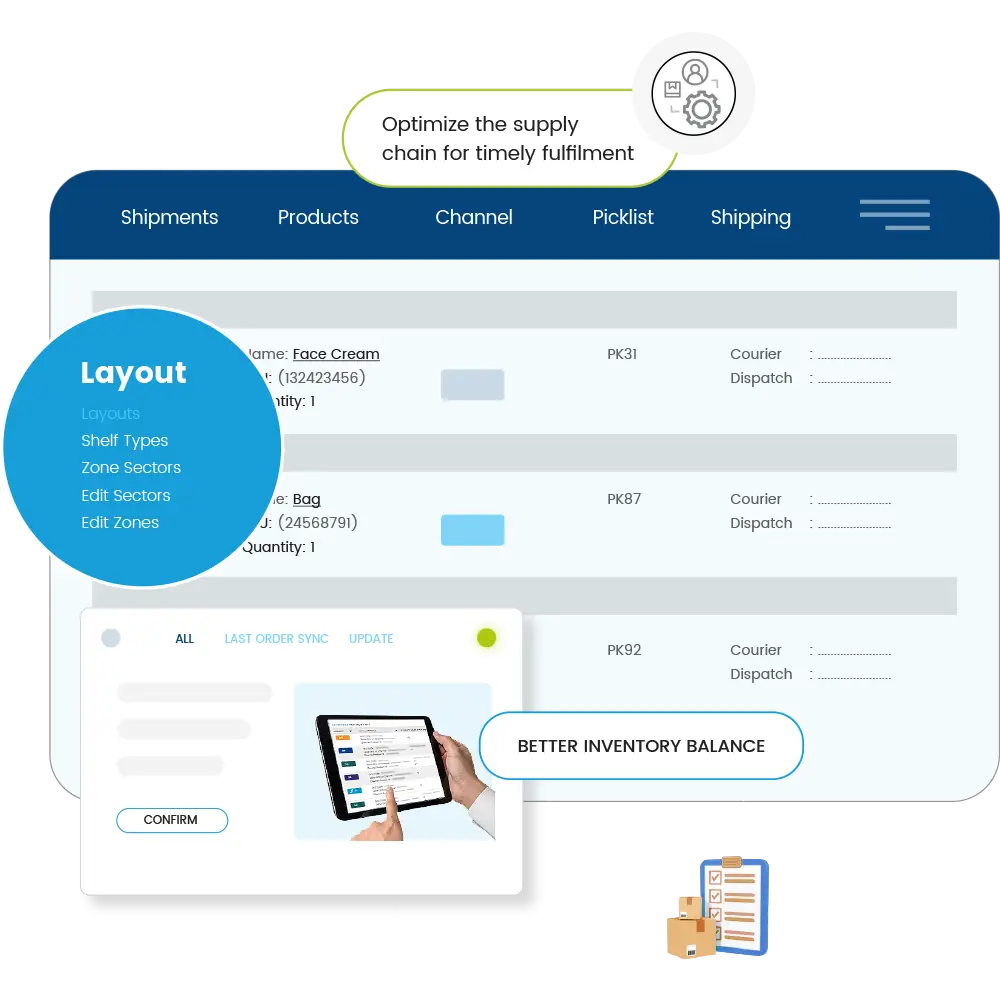
SKU and bin-level location mapping Speeds up picking and reduces misplacements
Data-driven dashboards and reports Powers smarter purchasing and stock planning decisions

The Bottom Line

Without the right inventory tracking system, these challenges continue to grow every single day. Every day a Philippine e-commerce brand relies on spreadsheets or disconnected systems is a day it is:

  • Losing sales to stockouts, it didn’t see coming
  • Losing money to dead stock that’s sitting unnoticed
  • Losing customers to inaccurate availability and canceled orders
  • Losing time to manual data entry that a system would do in seconds

The Philippine e-commerce market is growing fast, and competition is moving even faster. Brands that streamline their inventory operations now will build a long-term advantage that strengthens with every quarter.

Those who delay will continue solving the same operational problems again and again.

Ready to take control of your inventory? Request a demo with Unicommerce and see how leading Philippine brands manage stock with confidence, clarity, and zero guesswork.

FAQs

1. What is an inventory tracking system for Philippine e-commerce brands?

An inventory tracking system is software that monitors stock levels, locations, and movements in real time across all sales channels, including Shopee, Lazada, TikTok Shop, and your own website, so you always know exactly what you have, where it is, and when to reorder.

2. Why do Philippine online sellers need an inventory tracking system?

As Philippine brands scale across multiple platforms and handle high volumes during sale seasons like 11.11 and the Christmas period, manual tracking through spreadsheets becomes too slow and error-prone. An inventory tracking system automates stock updates, prevents overselling, and keeps warehouse operations accurate.

3. How does inventory tracking prevent stockouts during the Philippines sale seasons?

By setting low-stock alerts at the SKU level, an inventory tracking system notifies your team when stock is running low before it runs out. This gives you time to reorder and restock ahead of peak demand windows.

4. What is the best inventory tracking strategy for brands selling on Shopee and Lazada?

The most effective strategy is centralizing inventory visibility across all channels. A unified inventory system syncs stock counts automatically across every platform, so one sale on Lazada immediately updates availability on Shopee and every other channel.

5. Can a small Filipino e-commerce business benefit from an inventory tracking system?

Yes. Even small and growing businesses benefit from automated stock tracking. It reduces manual errors, prevents stockouts, and frees up time that would otherwise be spent on data entry, allowing the team to focus on growth.

6. What is FIFO/FEFO, and why does it matter for Philippine brands?

FIFO (First In, First Out) and FEFO (First Expiry, First Out) are picking methods that ensure the oldest or soonest-expiring products are dispatched first. This is critical for Philippine brands selling FMCG, beauty, or health products to reduce wastage and avoid sending near-expiry items to customers.

7. How does barcode scanning improve inventory accuracy?

Barcode scanning records every inventory movement, including receiving, picking, packing, and dispatch,  at the point of action, eliminating manual data entry and transcription errors. This ensures your stock counts are always accurate and up to date.

8. How does Unicommerce support Philippine e-commerce brands?

Unicommerce’s inventory management software integrates with leading Philippine and global marketplaces, including Shopee, Lazada, TikTok Shop, and Zalora. It offers real-time stock tracking, barcode-based warehouse management, batch tracking, low-stock alerts, and data-driven reporting to help Philippine brands manage inventory efficiently at scale.

9. What is the best inventory tracking system available in the Philippine market?

The best inventory tracking system depends on your business size, sales channels, and growth plans. For e-commerce brands selling across multiple marketplaces, platforms like Unicommerce are popular because they offer real-time syncing, marketplace integrations, and warehouse automation.

10. How much does an inventory tracking system cost in the Philippines?

Inventory tracking system costs vary based on features, number of users, warehouses, and integrations required. Many providers offer custom pricing, so growing Philippine businesses should choose a solution that can scale with future demand rather than only the lowest upfront cost.

Tags:
Request Demo

See Unicommerce in action

Identify gaps, validate automation, and scale operations with confidence

📦
100% real-time inventory exposure
2× faster warehouse operations
🔗
280+ integrations for automation
💸
90% reduction in manual work
🎥
100% verified orders via UniCapture