
BigBasket is one of the leading and well-established online grocery marketplaces in India. With nearly 34% share of the e-grocery market, it is serving 30–35 million customers across 400+ cities nationwide. This platform continues to evolve into quick commerce, supported by an expanding network of nearly 900 dark stores. On top of that, it has 50–60% revenue growth targets for FY26. This clearly tells that the opportunity for various established and emerging brands is immense on this platform. If you are planning to onboard on BigBasket, but don’t know how to start, this guide is perfect for you.
In this blog, we’ll guide you through how to sell on BigBasket, explain the BigBasket seller registration process, and share practical tips to help you succeed as a seller in 2026.
Quick Answer: How to Sell on BigBasket
To sell on BigBasket, businesses must complete the BigBasket seller registration or BigBasket vendor registration process through the approved partner channel. Sellers generally need to submit business details, PAN, GST certificate, bank information, FSSAI licence for food products, and product catalogue details.
The BigBasket onboarding process usually includes document verification, category approval, product listing, pricing review, SKU or barcode mapping, and inventory activation. Eligible manufacturers, brands, distributors, retailers and FMCG businesses can apply, depending on BigBasket’s current requirements.
Sellers should also confirm the BigBasket seller registration fee, commission, logistics, storage, handling and promotional charges before accepting the commercial agreement. The BB Sambandh portal or official BigBasket partner channel may be used for vendor-related registration and onboarding. Rules and fees can vary by product category, location and seller agreement.
What Is BigBasket?
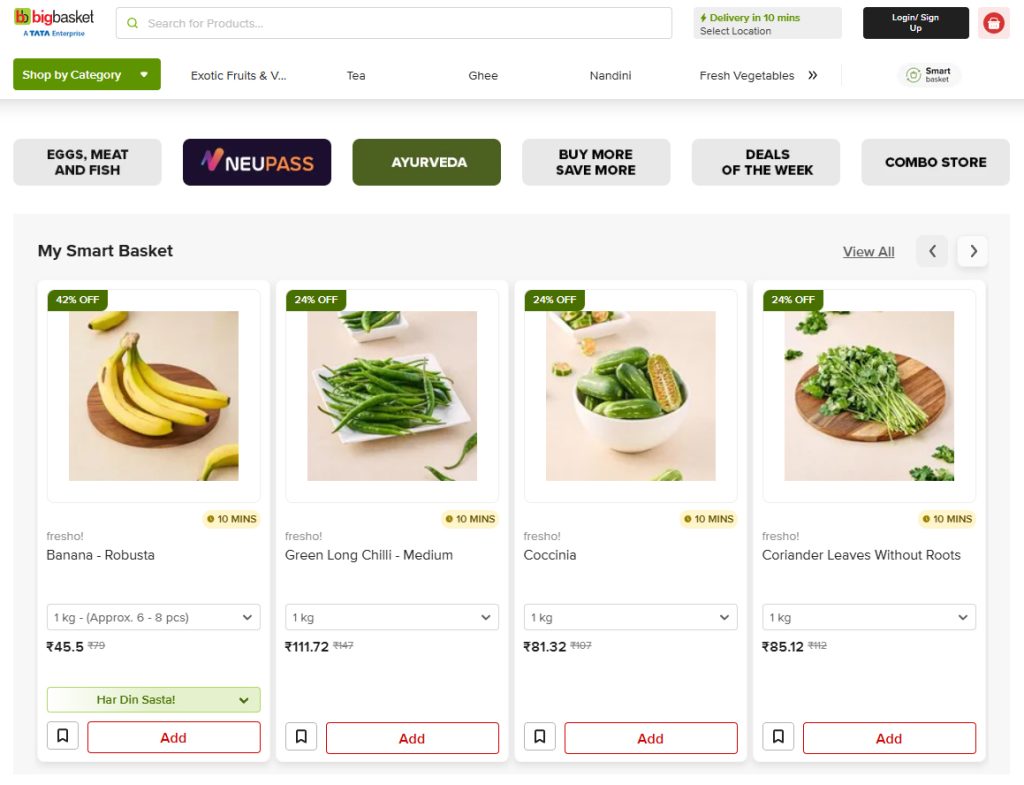
BigBasket is India’s leading online grocery delivery platform that enables customers to purchase groceries, fresh produce, and daily essentials online and get them delivered to their doorstep. It also allows manufacturers, wholesalers, retailers, and brands to sell their products online through its marketplace model.
What Does BigBasket Do?
BigBasket operates as a digital grocery marketplace and logistics platform, handling the entire order lifecycle from product listing to last-mile delivery.
- Offers online grocery shopping via website and mobile app
- Connects sellers with millions of customers across India
- Manages warehousing, inventory movement, and delivery
Before How to sell on BigBasket
Unicommerce does not assist with BigBasket seller registration, account setup, catalog approval, or onboarding. These activities are handled directly by BigBasket through its seller registration process.
Once your business is live on BigBasket, Unicommerce helps automate inventory management, order processing, warehouse operations, and multi-channel selling to support business growth at scale. Unicommerce provides software solutions inventory management, order processing, warehouse operations, and multi-channel selling to support business growth at scale.
What Is the BB Sambandh Portal?
The BB Sambandh portal is associated with BigBasket’s partner and vendor onboarding process. Manufacturers, brands, distributors, retailers and other eligible businesses may use the BigBasket seller portal or BigBasket vendor portal to begin the registration process and share the information required for business verification.
Through the portal, sellers may be asked to submit details such as:
- Business name and contact information
- PAN and GSTIN
- Bank account details
- FSSAI licence for food and grocery products
- Business address proof
- Product categories
- SKU, barcode and catalogue information
- Brand authorisation documents, where applicable
How to Access the BB Sambandh Portal
Sellers should use the official BigBasket Partner Login page or an official BigBasket communication to access the relevant BigBasket partner login option. The registration steps and portal features may differ depending on the seller type, product category and operating location.
What If You Have Login or Application Issues?
If you cannot access the BigBasket seller portal, check that your registered mobile number, email address and login details are correct. Also ensure that the documents uploaded are clear, valid and consistent with your business information. If the application remains pending or is rejected, review any message or correction request received from BigBasket and contact the official support channel for further assistance.
Sellers should avoid unofficial websites, agents or payment requests promising guaranteed approval. Always verify the website address and use official BigBasket links when completing vendor registration or submitting business documents. The BB Sambandh portal and onboarding requirements may change, so confirm the latest instructions before applying.
Why Sell on BigBasket?
If you’re exploring how to sell on BigBasket, the first thing to understand is why this platform has become a preferred choice for grocery and FMCG sellers across India. From startups to established brands, businesses choose to sell on BigBasket because of its scale, reliability, and growth potential.
1. Massive Customer Base Across India:
One of the biggest reasons to sell on BigBasket is its access to millions of active customers across metro, tier-2, and tier-3 cities. BigBasket already has strong consumer trust and daily repeat buyers, which means sellers don’t have to spend heavily on customer acquisition.
By completing your BigBasket seller registration, your products instantly become visible to a large audience actively searching for groceries, household essentials, and FMCG items, significantly increasing your chances of consistent sales.
2. Trusted & Reliable Platform:
BigBasket is one of India’s most established online grocery platforms and is backed by Tata Digital. This credibility directly benefits sellers. Customers are more likely to purchase from brands listed on BigBasket because of its strong quality control and service standards.
Once your BigBasket seller registration is approved, your products are listed on a platform customers already trust, helping you build brand credibility faster compared to selling on lesser-known marketplaces.
3. End-to-End Logistics & Fulfilment Support:
For businesses learning how to sell on BigBasket, logistics is often a major concern. BigBasket simplifies this by managing key operational tasks such as warehousing, order processing, and last-mile delivery.
Depending on your agreement, sellers can ship inventory to BigBasket warehouses while the platform takes care of storage and delivery. This reduces operational complexity and allows sellers to focus on production, pricing, and demand planning instead of logistics management.
4. Faster Market Expansion & Scalability:
Traditional offline expansion takes time and capital. By choosing to sell on BigBasket, businesses can quickly expand into new cities without setting up physical stores or local distribution networks.
After completing BigBasket seller registration, sellers can scale their operations city-by-city based on demand, seasonality, and product performance, making BigBasket an ideal platform for long-term growth.
5. Data-Driven Growth Opportunities:
BigBasket provides sellers with access to sales analytics, demand trends, and performance insights via the seller dashboard. These insights help sellers optimize pricing, inventory levels, and product assortment.
For businesses serious about growth, Big Basket seller registration opens the door to data-backed decision-making, helping you sell smarter and reduce operational inefficiencies.
Who Can Become a BigBasket Seller?
If you’re researching how to sell on BigBasket, the good news is that the platform supports a wide range of business models. BigBasket works with sellers of all sizes, from individual entrepreneurs to large manufacturers, making it easier for brands to enter the online grocery ecosystem.
1. Manufacturers:
Manufacturers of grocery items, packaged foods, personal care products, and household essentials are ideal candidates to sell on BigBasket. The platform actively partners with brands that can ensure consistent supply, quality standards, and competitive pricing.
Once your BigBasket seller registration is complete, you can list your products across multiple cities and reach customers without building your own distribution network.
2. Retail Store Owners:
Local and regional retailers with physical stores can expand their reach by completing Big Basket seller registration. Instead of relying only on walk-in customers, retailers can use BigBasket to sell inventory online and reach a much larger audience.
This model works especially well for sellers with ready stock and strong sourcing capabilities.
3. Wholesalers & Distributors:
Wholesalers supplying fresh produce, grains, pulses, spices, or snacks can directly partner with BigBasket. The platform offers strong demand visibility and logistics support, making it easier for wholesalers to scale volumes efficiently.
For wholesalers exploring how to sell on BigBasket, consistent quality, pricing, and supply stability are key approval factors during onboarding.
4. Startups & Small Businesses:
Startups and small businesses with unique, organic, or niche products such as health foods, regional snacks, or specialty FMCG items are actively encouraged to sell on BigBasket.
Completing BigBasket seller registration allows new brands to gain instant credibility by associating with a trusted marketplace, accelerating customer adoption and repeat purchases.
5. Individual Entrepreneurs:
Individual entrepreneurs and sole proprietors can also register as BigBasket sellers, provided they meet compliance requirements. This makes Big Basket seller registration accessible even for small-scale businesses looking to enter e-commerce without heavy upfront investment.
Eligibility Requirements to Sell on BigBasket
Before starting the BigBasket seller registration or BigBasket vendor registration process, businesses should meet the following basic requirements. The exact criteria may vary depending on the product category, seller type, location and commercial agreement.
- Legally registered business: Sellers should operate as a proprietorship, partnership, LLP, private limited company, manufacturer, distributor or authorised retailer.
- Valid GST registration: An active GSTIN may be required for tax verification and selling taxable products on BigBasket. Business details should match the GST certificate and PAN.
- FSSAI licence: Sellers dealing in food, grocery, beverages or packaged edible products should have a valid FSSAI licence or registration. Product labels, ingredients, expiry dates and shelf-life details may also be reviewed.
- Active bank account: A business bank account is required to receive settlements. Sellers may need to submit bank details, a cancelled cheque or a bank statement.
- Product and brand documents: Depending on the category, sellers may need to provide product images, SKU details, barcodes, MRP, brand authorisation, trademark documents or other compliance certificates.
- Consistent inventory and supply: Sellers should have the capacity to maintain stock, meet fulfilment requirements and supply products consistently during the BigBasket onboarding process.
Meeting these requirements can help reduce delays during verification, but final approval depends on BigBasket’s review of the seller, products and commercial terms.
Documents Required for BigBasket Seller Registration
Before you begin your BigBasket seller registration, it’s important to keep all mandatory documents ready to avoid delays or rejection during onboarding. Having complete and accurate documentation ensures a faster approval process and helps you start selling without friction.
1. PAN Card:
A valid PAN card is required for identity verification of the business owner or authorized signatory. It is mandatory for all sellers registering on BigBasket, regardless of business type.
2. GST Certificate:
A GST registration certificate is compulsory to sell on BigBasket. BigBasket operates as a GST-compliant marketplace, and sellers must have an active GSTIN to list and sell products legally across India.
3. FSSAI License (For Food & Grocery Sellers):
If you plan to sell food, beverages, or grocery items, a valid FSSAI license is mandatory. This ensures compliance with food safety regulations and builds customer trust on the platform.
4. Bank Account Details:
You’ll need to provide bank account details (cancelled cheque or bank statement) to receive payments from BigBasket. Ensure the account is active and registered in the business name.
5. Business Address Proof:
A valid business address proof, such as a utility bill, rental agreement, or registration certificate, is required to verify your operational location during BigBasket seller registration.
6. Trademark Certificate or Brand Authorization (If Applicable):
If you are selling products under a registered brand, a trademark certificate or brand authorization letter is required. This helps BigBasket prevent counterfeit listings and protect brand authenticity.
BigBasket Seller Registration Process in 2026
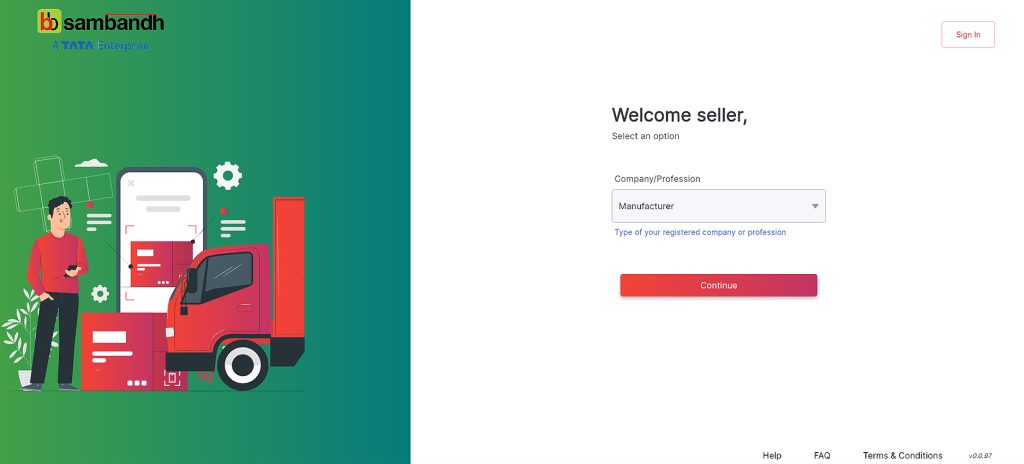
Follow these steps to register as a seller on BigBasket:
Step 1: Visit the BigBasket Seller Portal
Go to the official BigBasket Vendor Portal (also called BB Sambandh) and select your business type manufacturer, distributor, farmer, or retailer.
Step 2: Fill in Business and Contact Details
Enter:
- Business name
- Owner name
- Email ID (verify with OTP)
- Phone number (verify with OTP)
- GSTIN and PAN details
- Bank account information
Step 3: Upload Required Documents
Upload scanned copies of your PAN, GST certificate, FSSAI license, bank details, and any other relevant documents. Ensure the scans are clear to avoid delays.
Step 4: Select Product Categories
Choose the categories of products you want to sell on BigBasket:
- Fresh fruits & vegetables
- Packaged foods and snacks
- Dairy & bakery products
- Beverages
- Household essentials
- Personal care & cosmetics
- Babycare products
Step 5: Verification and Approval
BigBasket reviews your application, verifies your documents, and may conduct a physical verification of your business. Once approved, you will receive your BigBasket seller login credentials.
Step 6: Product Listing and Onboarding
- Create SEO-optimized product listings with clear images and accurate descriptions.
- Set competitive prices and stock quantities.
- Participate in promotions and seasonal campaigns to boost sales.
BigBasket Seller Registration Fee
The BigBasket seller registration fee may vary depending on the seller type, product category, location and commercial agreement. Before completing BigBasket vendor registration, sellers should confirm whether any registration, commission, logistics, storage, handling or promotional charges apply. BigBasket may share the final commercial terms during the onboarding process, so avoid relying on unverified fixed fee claims. Always confirm the latest fee structure through an official BigBasket partner channel before starting the selling process.
Tips to Grow Your Business on BigBasket
Once your BigBasket seller registration is complete, the next step is scaling visibility, conversions, and repeat sales. These proven strategies will help you grow faster and build a sustainable business on BigBasket.
1. Use High-Quality Product Images:
High-quality, professional product images play a major role in driving clicks and conversions. Use clear images with proper lighting, multiple angles, and accurate packaging shots. Since customers can’t physically inspect products, strong visuals build trust and increase purchase confidence.
2. Write Detailed, Keyword-Rich Product Descriptions:
Optimized product descriptions improve both discoverability and conversions. Include:
- Relevant keywords
- Product benefits and usage details
- Ingredients, size, weight, and shelf life
Clear and informative content helps customers make faster decisions and supports better visibility when you sell on BigBasket.
3. Maintain Competitive Pricing:
Price competitiveness is critical on a price-sensitive platform like BigBasket. Regularly analyze similar products, promotions, and discounts to keep your pricing aligned with market expectations. Smart pricing strategies can significantly improve conversions and repeat orders.
4. Ensure Timely Order Fulfillment:
On-time fulfillment directly impacts seller ratings and customer trust. Delays can lead to cancellations and negative feedback, affecting long-term performance. Maintaining consistent stock levels and accurate inventory updates is essential to growing your business on BigBasket.
5. Leverage Seller Analytics & Performance Insights:
Use the BigBasket seller dashboard to track:
- Sales trends
- Best-selling SKUs
- Order volumes and fulfillment performance
Analyzing this data helps identify high-performing products, optimize inventory, and plan promotions more effectively, key factors for scaling after BigBasket seller registration.
Commission and Fees on BigBasket
When planning to sell on BigBasket, it’s important to understand the commission structure and associated fees, as they directly impact your product pricing and profitability. BigBasket follows a category-based commission model, where charges vary depending on the type of product you sell.
BigBasket Commission Structure (Category-wise)
| Product Category | Commission Range |
|---|---|
| Packaged Food & Snacks | 10% – 18% |
| Fresh Produce | 12% – 20% |
| Personal Care | 15% – 22% |
| Household Items | 10% – 20% |
| Dairy & Beverages | 8% – 15% |
Note: Actual commission rates may vary based on brand, order volume, fulfillment model, and commercial agreements during BigBasket seller registration.
Additional Fees to Consider
Apart from the category commission, brands may incur additional charges, including:
- Logistics & Fulfillment Fees: Applicable if BigBasket handles warehousing, picking, packing, and last-mile delivery
- Marketing & Promotion Fees: For participation in featured listings, banner ads, or seasonal campaigns
- Payment Gateway Charges: Fees applied for processing online payments
These costs can vary depending on your selling model and campaign participation.
Why Understanding Fees Matters
A clear understanding of commissions and fees helps you:
- Set accurate and competitive pricing
- Protect your profit margins
- Plan discounts and promotions more effectively
- Avoid surprises in payout reconciliation
Before finalizing your listings, factor in all applicable charges to ensure sustainable growth after completing your BigBasket seller registration.
How Unicommerce Helps You Scale on BigBasket
As your BigBasket business grows, managing inventory, orders, and fulfillment manually can quickly become complex. Unicommerce acts as a single, centralized platform that helps brands run their operations on BigBasket efficiently and at scale.
With Unicommerce, BigBasket brands can:
- Sync inventory in real time to avoid overselling and stockouts
- Automatically process BigBasket orders from a single dashboard
- Track order status and fulfillment performance with complete visibility
- Manage returns and cancellations seamlessly
- Access actionable analytics and reports to identify best-selling SKUs, demand trends, and performance gaps
Unicommerce automates critical backend operations, so brands can focus on growth, pricing, and customer experience not daily operational firefighting.
Before the Conclusion (“Achieve Greater Growth with Hassle-Free Selling on BigBasket”)
Please note: Unicommerce is not a BigBasket onboarding or registration partner. Our solutions are designed for businesses that are already selling on BigBasket and need software solutions for inventory, warehouse, order, and fulfillment operations as they scale.
Conclusion
Selling on BigBasket in 2026 offers a significant opportunity for grocery and FMCG brands to scale faster and reach millions of online shoppers across India. However, success on the platform depends not just on completing BigBasket seller registration, but also on how efficiently you manage inventory, orders, and fulfillment as volumes grow.
With Unicommerce, brands gain the technology foundation needed to operate smoothly, scale confidently, and make data-driven decisions across their BigBasket business. If you’re planning to expand your presence on BigBasket or optimize your existing operations, Unicommerce helps you build a scalable, future-ready e-commerce setup.
 Frequently Asked Questions (FAQs)
1. How to sell on BigBasket?
To sell on BigBasket, you need to complete the BigBasket seller registration process by submitting your business details, GST certificate, PAN card, and other required documents. Once approved, you can list your products and start selling to customers across India.
2. Who can sell on BigBasket?
Manufacturers, wholesalers, retailers, startups, and individual entrepreneurs can sell on BigBasket, provided they have a legally registered business, valid GST registration, and an FSSAI license (for food products).
3. What is the BigBasket seller registration process?
The BigBasket seller registration process involves creating a seller account, submitting required documents, verifying business details, and onboarding approved products. After approval, sellers can go live and start accepting orders.
4. Is GST mandatory to sell on BigBasket?
Yes, GST registration is mandatory to sell on BigBasket. A valid GSTIN is required during Big Basket seller registration to comply with Indian tax regulations.
5. What documents are required for BigBasket seller registration?
To complete BigBasket seller registration, sellers must provide:
- PAN card
- GST certificate
- FSSAI license (for food items)
- Bank account details
- Business address proof
- Brand authorization or trademark certificate (if applicable)
6. How much commission does BigBasket charge sellers?
BigBasket charges a category-based commission, typically ranging from 8% to 22%, depending on the product type. The final commission is shared during the Big Basket seller registration and onboarding process.
7. Can small businesses and startups sell on BigBasket?
Yes, startups and small businesses can easily sell on BigBasket. The platform supports niche, regional, and emerging brands, provided they meet compliance requirements during BigBasket seller registration.
8. How can Unicommerce help sellers on BigBasket?
Unicommerce helps sellers automate BigBasket operations by syncing inventory, managing orders, tracking fulfillment, and providing analytics all from a single dashboard. This makes it easier to scale after completing BigBasket seller registration.
9. What is the BigBasket seller registration fee?
The BigBasket seller registration fee may vary depending on the seller type, product category, location and commercial agreement. Sellers should confirm the latest registration charges, commission, logistics, storage, handling and promotional fees directly with BigBasket before completing the onboarding process.
10. What is the BigBasket franchise cost?
The BigBasket franchise cost depends on the business model, location, infrastructure, store format and agreement terms. BigBasket seller registration and franchise operations are different opportunities, so businesses should verify the latest franchise requirements and investment details through an official BigBasket channel.
11. How can I complete BigBasket vendor registration?
To complete BigBasket vendor registration, sellers generally need to submit their business details, PAN, GST certificate, bank information, FSSAI licence for food products and product catalogue details. BigBasket may verify the documents, products, location and supply capability before approving the vendor account.
12. What is the BB Sambandh portal and how does BigBasket onboarding work?
Want to sell on more platforms? Check out these detailed guides to find the best fit for your business:
- A Complete Guide on How to Sell Products Online on Meesho in 2026
- How to Sell on Myntra? [Selling Models + Seller Registration Process + Key Strategies + Season Sales]
- How to Sell on Blinkit in 2026: The Complete Guide for New Sellers
- How to Sell on AJIO in 2026: Benefits, Seller Registration Steps, and Proven Growth Strategies
- How to Sell on Zepto in 2026: Complete Zepto Seller Registration & Growth Guide
- How to Sell on Swiggy Instamart in 2026: A Complete Seller & Vendor Registration Guide
- How to Sell on Flipkart: A Step-by-Step Guide to Becoming a Flipkart Seller
- How to Sell on Flipkart Minutes in 2026: Complete Seller Registration & Setup Guide
- JioMart Seller Registration: How to Sell Products on JioMart in 2026 (Step-by-Step Guide)
- How to Sell on Snapdeal in 2026: Complete Seller Registration Guide