The e-commerce market in the Philippines is expected to grow to USD 86 billion by 2034. Filipino MSMEs are riding this wave by selling on Shopee, Lazada, TikTok Shop, and building their own D2C websites faster than ever.
But this growth also brings more orders, more SKUs, more channels, and a lot more inventory to manage.
If you’re still tracking stock on spreadsheets, you could already be losing money. Every unrecorded movement, every missed reorder, and every manual miscalculation creates a gap between what you think you have and what you actually have. This is known as an inventory gap, and for small businesses, it is one of the top reasons promising sellers hit a ceiling they cannot break through.
The good news is that you can control it with a robust inventory control system for a small business. This blog walks you through exactly:
- What is an inventory control system?
- Why it matters for Filipino businesses
- The types of systems available
- What to look for when choosing the right one for your business
What Is an Inventory Control System?
An inventory control system is a software that helps businesses monitor, manage, and optimize their stock levels across warehouses and sales channels.
Its core job is simple: make sure the right product is in the right place at the right time. And make sure you always know where every unit is.
At its most basic, an inventory control system tracks:
- How much stock do you currently have
- Where it’s stored (which warehouse, which location)
- What’s moving fast and what’s sitting idle
- When to reorder before you run out
- What’s been sold, returned, or written off
For Filipino sellers managing orders across Shopee, Lazada, and their own website simultaneously, this visibility keeps your business from crashing during a 12.12 or Harbolnas sale.
Also, as online businesses grow across multiple sales channels, inventory mistakes become more frequent and far more expensive. That is why understanding the challenges behind stock control is essential for Filipino sellers looking to scale sustainably.
Why Is Inventory Control a Critical Problem for Businesses in the Philippines?
Inventory problems are not new, but they become much harder to manage as a business grows. Now think of this way: A fashion brand selling women’s clothing with 40 SKUs in multiple sizes. During a flash sale, dozens of orders come in within hours. If the stock is not updated in real time, popular items can oversell quickly. The result is cancellations, poor reviews, and damaged customer trust.
Here are the main reasons inventory control is a critical challenge for businesses in the Philippines:
1. Multi-Channel Selling Creates Stock Errors
Many businesses sell on Shopee, Lazada, TikTok Shop, Facebook, and their own website at the same time. Without one central inventory system, stock levels stay different on each platform. This often causes overselling or missed sales opportunities.
2. Complex Inter-Island Logistics
The Philippines has more than 7,000 islands, making fulfilment more complex than single-city delivery models. Businesses often store products in different locations across Luzon, Visayas, and Mindanao. Without clear inventory visibility, orders may be delayed, split, or shipped from the wrong warehouse.
3. High COD Return Rates Affect Stock Accuracy
Cash-on-delivery remains a common payment method in the Philippines. This can lead to higher return-to-origin (RTO) and return rates. Returned products need to be checked, added back to stock, or marked damaged. Without proper systems, returned stock is often lost or unaccounted for.
4. Manual Tracking Fails as Order Volume Grows
Spreadsheets may work for a small number of daily orders. But as order volume increases, manual updates become slow and error-prone. On a larger scale, one mistake in stock entry can affect hundreds of orders.
5. Seasonal Sales Peaks Increase Pressure
Major sale events such as 9.9, 11.11, 12.12, and the Christmas season bring sudden spikes in demand. Without demand forecasting and automated reorder alerts, businesses may run out of bestsellers or overstock slow-moving products.
Without accurate and real-time inventory management, growth becomes difficult and costly. Fortunately, there are different inventory control systems for small businesses designed to solve these challenges. To choose the right fit for your business, it helps to understand the main types available today.
What Are the Two Main Types of Inventory Control Systems?
Before choosing the right solution, it is important to understand the two main types of inventory control systems used by businesses: Periodic Inventory Control and Perpetual Inventory Control.
1. What Is a Periodic Inventory Control System?
A periodic inventory control system updates stock records only at scheduled intervals, such as weekly, monthly, or quarterly. Businesses physically count inventory at these times and then adjust their records.
- Best for: Small businesses with low order volumes and a limited number of SKUs.
2. What Is a Perpetual Inventory Control System?
A perpetual inventory control system tracks inventory in real time. Every sale, return, cancellation, or stock transfer automatically updates available stock levels. This gives businesses accurate inventory visibility at all times and helps reduce overselling, stockouts, and fulfilment delays.
- Best for: Growing businesses, multi-channel sellers, and brands handling regular daily orders.
For most modern businesses, a perpetual inventory control system for small businesses is the better choice because it provides real-time accuracy and supports growth. A periodic system may work for smaller operations, but it becomes less reliable as order volumes increase.
Once you understand the main types of inventory control systems, the next step is knowing how software brings these processes together. Here is what inventory control software actually does for a growing business.
What Does Inventory Control Software Actually Do?
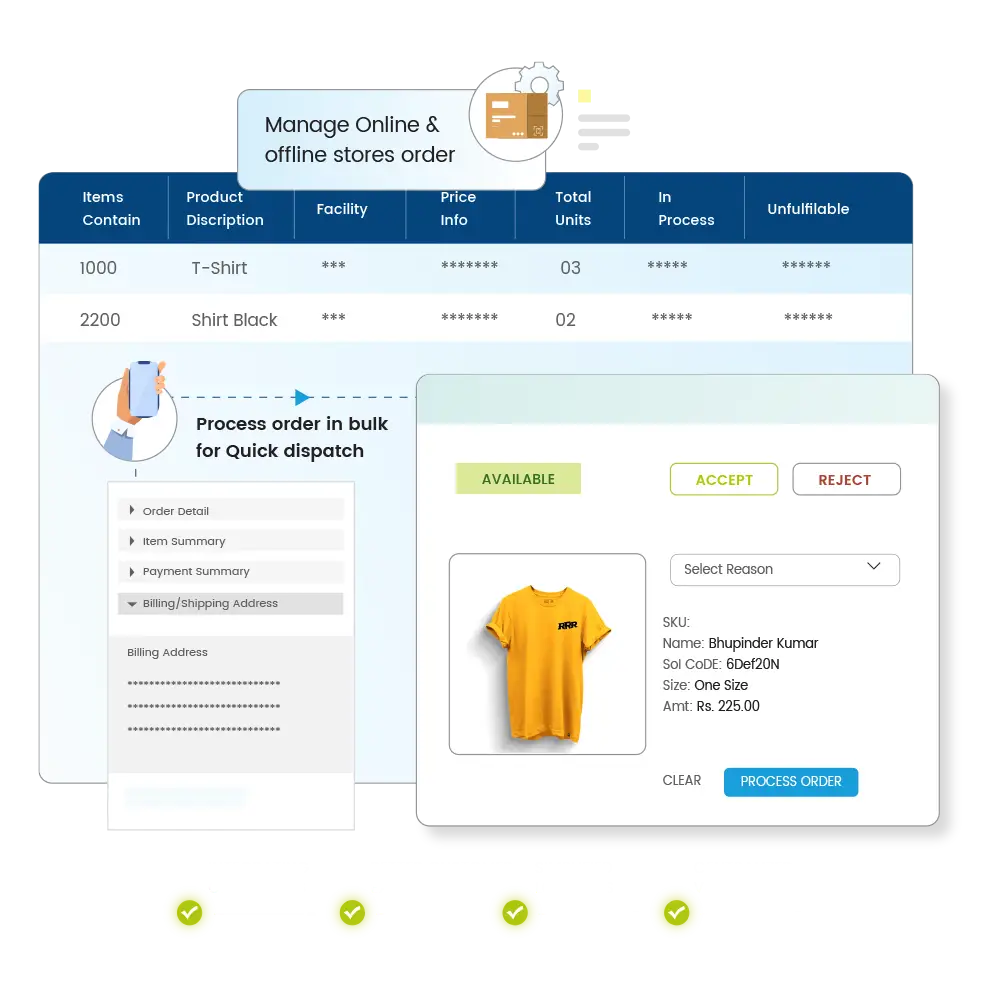
Inventory control software does much more than count stock. It helps businesses manage sales channels, warehouses, suppliers, and order fulfilment through one connected system. This improves stock accuracy, reduces losses, and supports faster growth.
Here are the main things inventory control software does:
1. Real-Time Stock Sync Across All Sales Channels
When a customer buys on Shopee, Lazada, TikTok Shop, or your own website, the system updates stock levels instantly across every platform. This helps prevent overselling, stock mismatches, and cancelled orders.
2. Multi-Warehouse Inventory Visibility
If stock is stored in multiple locations such as Manila, Cebu, or Davao, the software shows exactly how much inventory is available in each warehouse. This helps businesses fulfill orders from the nearest location, reducing delivery time and shipping costs.
3. Automated Reorder Alerts
Inventory control software can set minimum stock levels for each SKU. When the stock drops below that level, the system sends an alert automatically. This helps businesses reorder on time and avoid running out of fast-selling products.
4. Batch and Expiry Tracking
For food, beauty, wellness, and FMCG brands, the software can track batch numbers and expiry dates. It can also prioritize older stock using FIFO or FEFO methods. This reduces waste and prevents losses from expired products.
5. Returns and Restocking Management
When returned products come back from logistics partners, the system records the return, updates stock levels, and flags items for inspection if needed. This keeps returned inventory visible and ready for resale when approved.
6. Demand Forecasting and Replenishment Planning
The software uses past sales data, seasonal trends, and current order volumes to estimate future demand. This helps businesses stock the right quantity before major sale events such as 9.9, 11.11, 12.12, or holiday seasons.
7. Inventory Aging Reports
The system identifies slow-moving or non-moving products that have been sitting for 30, 60, or 90 days. This helps businesses run promotions, create bundles, or clear dead stock before it ties up cash flow.
Inventory loss is more common than many businesses realize. To prevent it, businesses first need to understand where stock leakage happens and how software helps close those gaps.
How Inventory Loss Happens in Philippine E-commerce (And How Software Stops It)
Inventory loss does not always happen through theft or damage. In many small and growing businesses, it happens slowly through daily mistakes, stock mismatches, and manual processes. These losses may seem small at first, but over time, they can seriously affect profit and growth.
Here are the most common ways inventory loss happens in Philippine e-commerce and how software helps prevent it:
| Loss Type | How It Happens | How Software Fixes It |
|---|---|---|
| Overselling | Shopee and Lazada count out of sync | Real-time multichannel sync |
| Dead stock | Slow-moving SKUs go unnoticed until it’s too late | Aging reports + reorder intelligence |
| Return leakage | COD returns are not properly restocked | Automated returns tracking |
| Fulfillment errors | Wrong item picked/packed manually | Scan-based picking with system verification |
| Expiry losses | The old batch was not moved first | FIFO/FEFO batch tracking |
| Manual miscounts | Spreadsheet errors compounding over time | Perpetual real-time inventory counts |
Inventory loss in Philippine e-commerce usually happens through overselling, dead stock, return leakage, fulfilment mistakes, expiry issues, and manual stock errors. To prevent these problems long-term, the next step is choosing an inventory control system built for how businesses in the Philippines actually operate.
What to Look for in an Inventory Control System for the Philippines?
Not every inventory system is designed for the needs of Filipino businesses. The right solution should match your business size, budget, sales channels, and day-to-day operations. It should also help you grow without adding complexity.
Here are the most important factors to consider when choosing an inventory control system in the Philippines:
1. Business Size Fit
Choose a system that matches your current stage of growth. Small businesses may need simple tools, while growing brands may require advanced automation and higher order capacity.
2. Budget and Pricing
Look for software that fits your budget and offers pricing that can scale as your business grows. You should not have to overpay for features you do not need yet.
3. Integration with Current Software
Your inventory system should connect smoothly with the tools you already use, such as Shopee, Lazada, TikTok Shop, accounting software, ERP, POS, or courier platforms.
4. Mobile Accessibility
A mobile-friendly system helps teams manage stock, orders, and operations from anywhere, which is especially useful for fast-moving businesses.
5. Role-Based Access Control
Different team members need different permissions. A good system should let you control who can view, edit, or manage inventory data.
These factors help ensure the system is practical, secure, and ready to grow with your business. If you are looking for a platform that brings all of these capabilities together, here is how Unicommerce helps Philippine e-commerce sellers take better control of inventory and operations.
How Unicommerce Helps Philippine E-Commerce Sellers Take Control of Inventory?
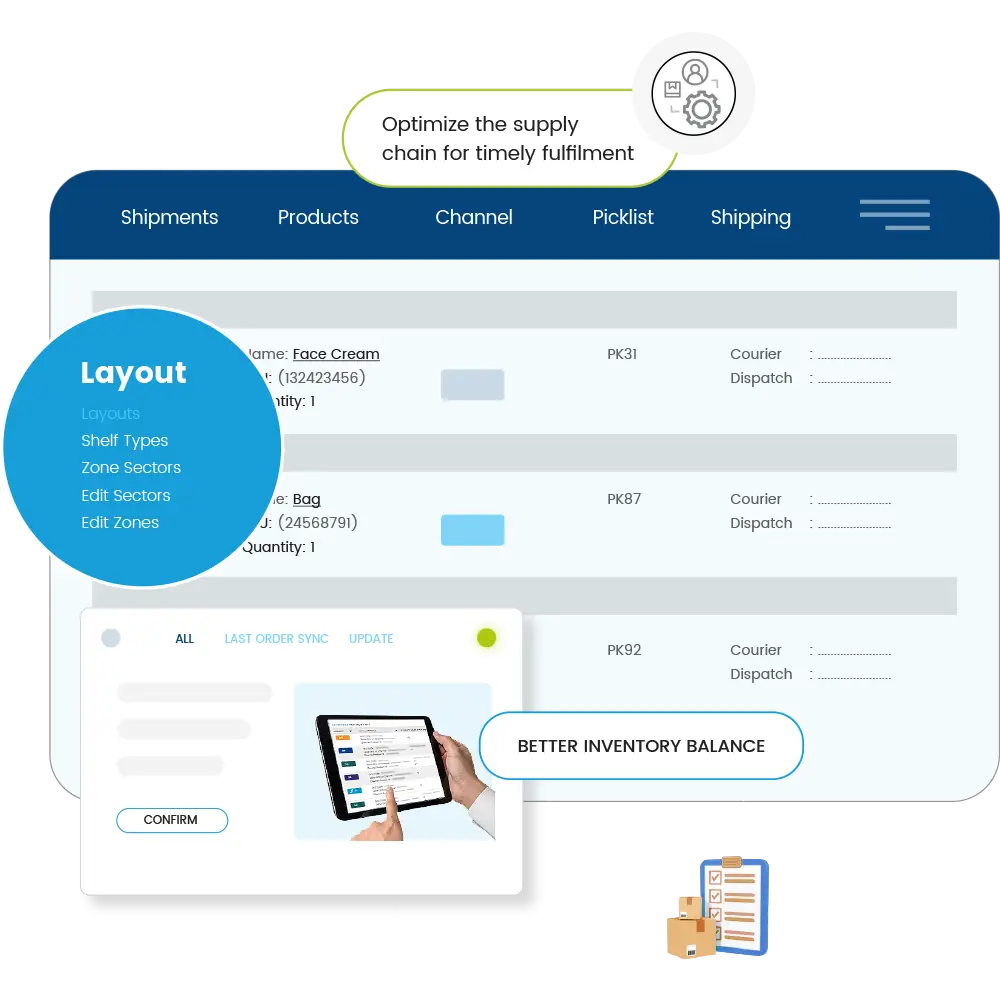
Unicommerce is a SaaS platform designed to solve the inventory and operations challenges e-commerce businesses face as they grow. For Philippine sellers managing multiple sales channels, warehouses, and seasonal demand spikes, it helps replace spreadsheets and disconnected tools with one centralized system.
Here is how Unicommerce supports Philippine e-commerce businesses in taking control of inventory:
1. 280+ Marketplace and Software Integrations
Unicommerce offers integrations with Shopee, Lazada, TikTok Shop, Shopify, and major logistics providers. This helps businesses connect all key operations in one place.
2. Real-Time Inventory Sync
Stock levels update automatically whenever there is a sale, return, cancellation, or stock transfer. This helps reduce overselling and keeps inventory accurate across channels.
3. Multi-Warehouse Management
Businesses can manage inventory across Manila, Cebu, Davao, or multiple locations from one dashboard. Orders can also be routed to the best warehouse for faster fulfilment.
4. Scan-Based Picking and Packing
Warehouse teams scan products during pick-pack operations, helping verify the correct item before shipping. This reduces fulfilment errors and wrong-item deliveries.
5. Batch and Expiry Tracking
FIFO and FEFO inventory logic help move older stock first. This is especially useful for food, beauty, wellness, and FMCG brands.
6. Automated Reorder Alerts
Businesses can set minimum stock thresholds for each SKU and receive alerts before products run out of stock.
7. Demand Forecasting
Historical sales data and seasonal trends help businesses plan inventory for campaigns such as 9.9, 11.11, and 12.12.
For Philippine MSMEs and growing online brands, Unicommerce helps simplify inventory management, reduce errors, improve fulfilment, and plan growth with confidence. It gives sellers the control needed to scale across multiple channels and warehouses efficiently.
Final Thought
Filipino businesses that scale successfully are the ones that have clarity over their operations. Knowing exactly what you have, where it is, how fast it is moving, and when to reorder is what inventory control software gives you.
In a rapidly growing e-commerce market in the Philippines, the brands that win are the ones that can fulfill every order accurately, scale through every campaign peak, and eliminate the invisible losses that hold everyone else back.
If you are ready to take control of your inventory and stop running your business on guesswork, request a free demo with Unicommerce today.
FAQs
1. What is an inventory control system?
An inventory control system is software or a structured process that helps businesses track, manage, and optimize stock across warehouses and sales channels. It provides real-time visibility into inventory levels, movement, and availability.
2. Why is inventory control important for small businesses in the Philippines?
Because Philippine e-commerce involves multiple platforms like Shopee, Lazada, and TikTok Shop, along with inter-island logistics and COD returns, manual tracking often leads to errors. Inventory control helps prevent overselling, dead stock, and fulfilment mistakes that directly impact revenue.
3. What are the two main types of inventory control systems?
The two main types are periodic inventory control and perpetual inventory control. Periodic systems update stock at fixed intervals, while perpetual systems update inventory in real time with every transaction. For e-commerce businesses, perpetual inventory control is the preferred approach.
4. What platforms does inventory control software integrate with in the Philippines?
Inventory control software typically integrates with major marketplaces like Shopee, Lazada, TikTok Shop, Shopify, and logistics providers such as J&T, Ninja Van, LBC, and Grab Express to ensure smooth order fulfilment and stock updates.
5. How does inventory control software reduce stock loss?
It reduces stock loss by syncing inventory in real time across all sales channels, tracking returns accurately, preventing fulfilment errors through system checks, and identifying slow-moving or at-risk stock before it becomes dead inventory.
6. Is inventory control software suitable for MSMEs in the Philippines?
Yes, modern inventory systems are built for MSMEs as well as large enterprises. They are designed to scale with order volume, making them suitable for small sellers today and growing brands in the future without requiring enterprise-level infrastructure.
7. What is the best inventory control system for e-commerce businesses in the Philippines?
The best inventory control system is one that offers real-time inventory tracking, supports multi-channel selling, integrates with Shopee, Lazada, and TikTok Shop, and can manage multiple warehouses. It should also automate key processes like stock syncing, returns, and reorder alerts.
8. How do I choose the right inventory control system for my online business?
You should choose a system based on your business size, order volume, number of sales channels, and warehouse setup. The right system should integrate with your existing tools, offer real-time visibility, and be easy to use for your team while supporting future growth.
9. Can inventory control software prevent overselling in Shopee and Lazada?
Yes, it prevents overselling by syncing stock across all connected marketplaces in real time. When a product is sold on one platform, inventory is automatically updated everywhere else, ensuring accurate stock availability across Shopee, Lazada, TikTok Shop, and other channels.
10. Do Philippine e-commerce businesses need multi-warehouse inventory management?
Yes, especially for growing businesses operating across multiple locations like Manila, Cebu, or Davao. Multi-warehouse management helps track stock per location, route orders efficiently, and reduce delivery time and shipping costs.