
Multichannel Order Management System Software to Gain Complete Visibility into Every Order
Offering a centralized platform that provides full visibility of every order from various sales channels, including app/website and marketplaces.
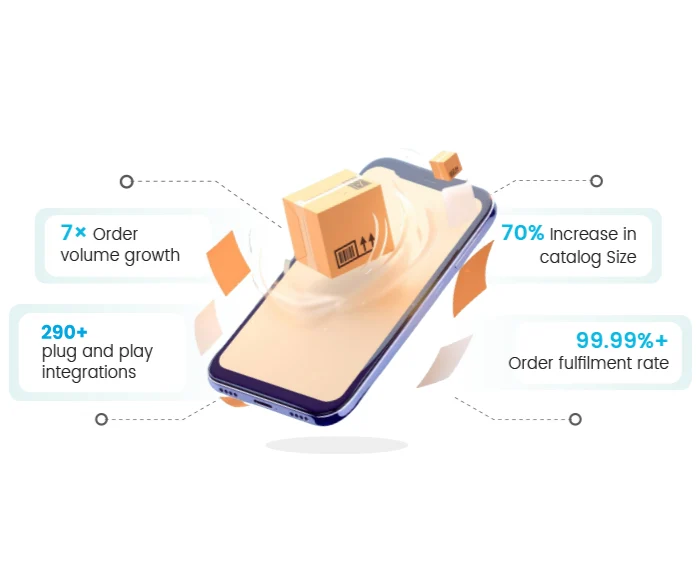

Unicommerce is Empowering
151
900+
290+
8,000+
115 Cr+
OUR SOLUTIONS ARE KNOWN FOR
Comprehensive end-to-end order management for all your e-commerce needs


Multichannel Order Management System for Timely Order Fulfillment
Automate Every Aspect of Multichannel Selling with Cloud-Based Order Management Software
Revamp your order management game with Unicommerce’s centralized order management system, which seamlessly juggles orders from multiple sales channels – all in one easy-to-use dashboard!
Expand the capacity of your e-commerce business and maximize sales volume through multichannel retailing.
- Multichannel Capabilities
Captures incoming orders from various channels, processes them through defined protocols, and fulfils them through the supply chain to ensure accurate delivery.
- Robust Inventory Management
Automate syncing of live available inventory across all different locations, allowing to view and process the details of the entire inventory on a single platform.
- Improved Logistics Cost
Reduce man-hours for processing high-volume orders across multiple channels, enabling efficient bulk order handling and boosting sales.
- Sales Order Visibility
Centralized dashboard to provide sellers with full visibility of every order from various sales channels, including own app/website and marketplaces.
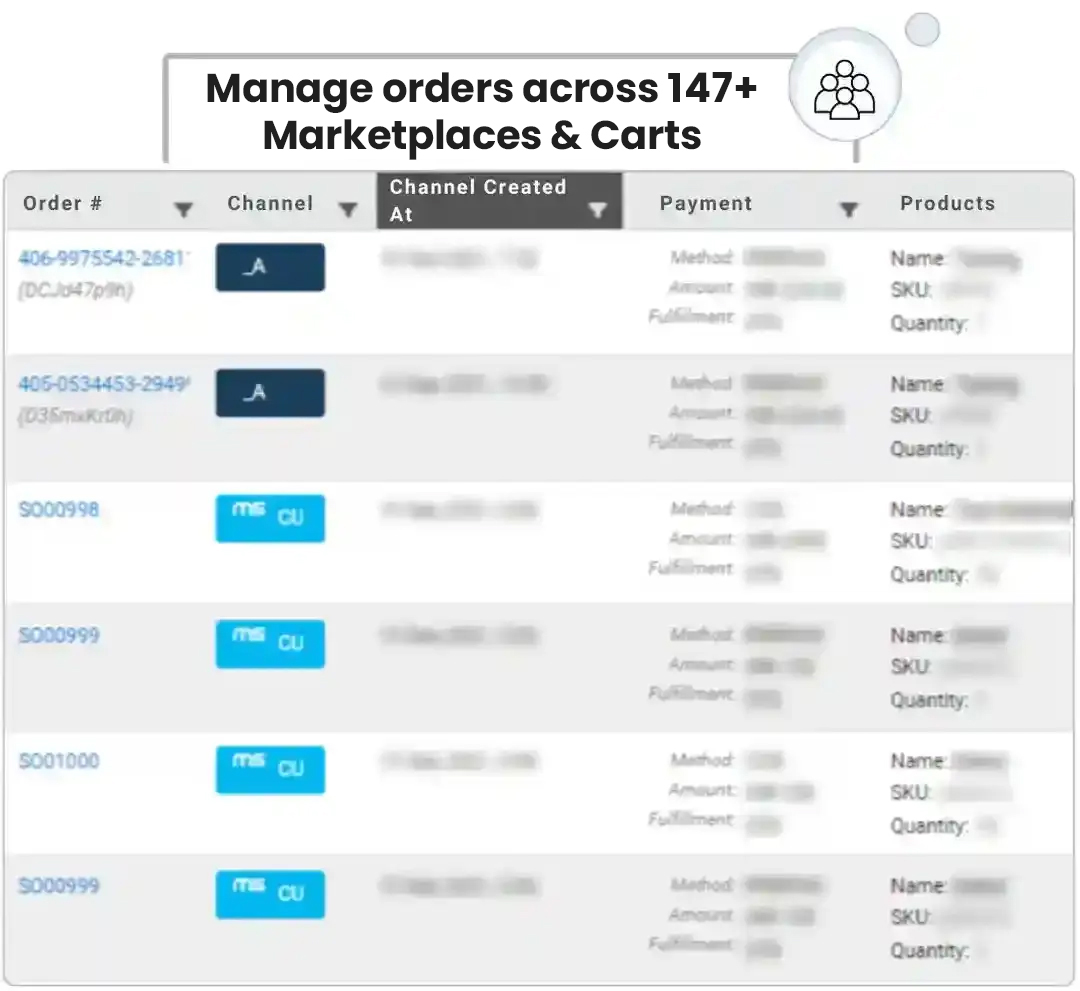
Automate and streamline every stage of order management, from creation and verification to returns processing and quality control, for efficient and accurate order handling. Automatic order creation from web-store/marketplace integration, enhancing speed and accuracy. Each order is verified against inventory availability, with unfulfillable orders flagged for manual review and successful ones moving to fulfillment. Returns, classified as Courier (RTO) or Customer Initiated (CIR), are tracked with our OMS for efficient processing. Returned products undergo quality checks, with approved items restocked for sale across channels, or sorted into reject lots for further action.

Improve operational efficiency and logistics cost-effectiveness with our multichannel order management system. Reduce man-hours by efficiently handling large volumes of orders across various channels, including marketplaces, web stores, and physical outlets. Automatically selecting the best-suited inventory location and logistics partner based on criteria like location, stock availability, demand channel, and order value. Create dynamic product bundles using different SKUs in real-time, enhancing average order value and optimizing shipping costs. Gain a unified perspective of all logistics activities, streamlining management and decision-making processes.

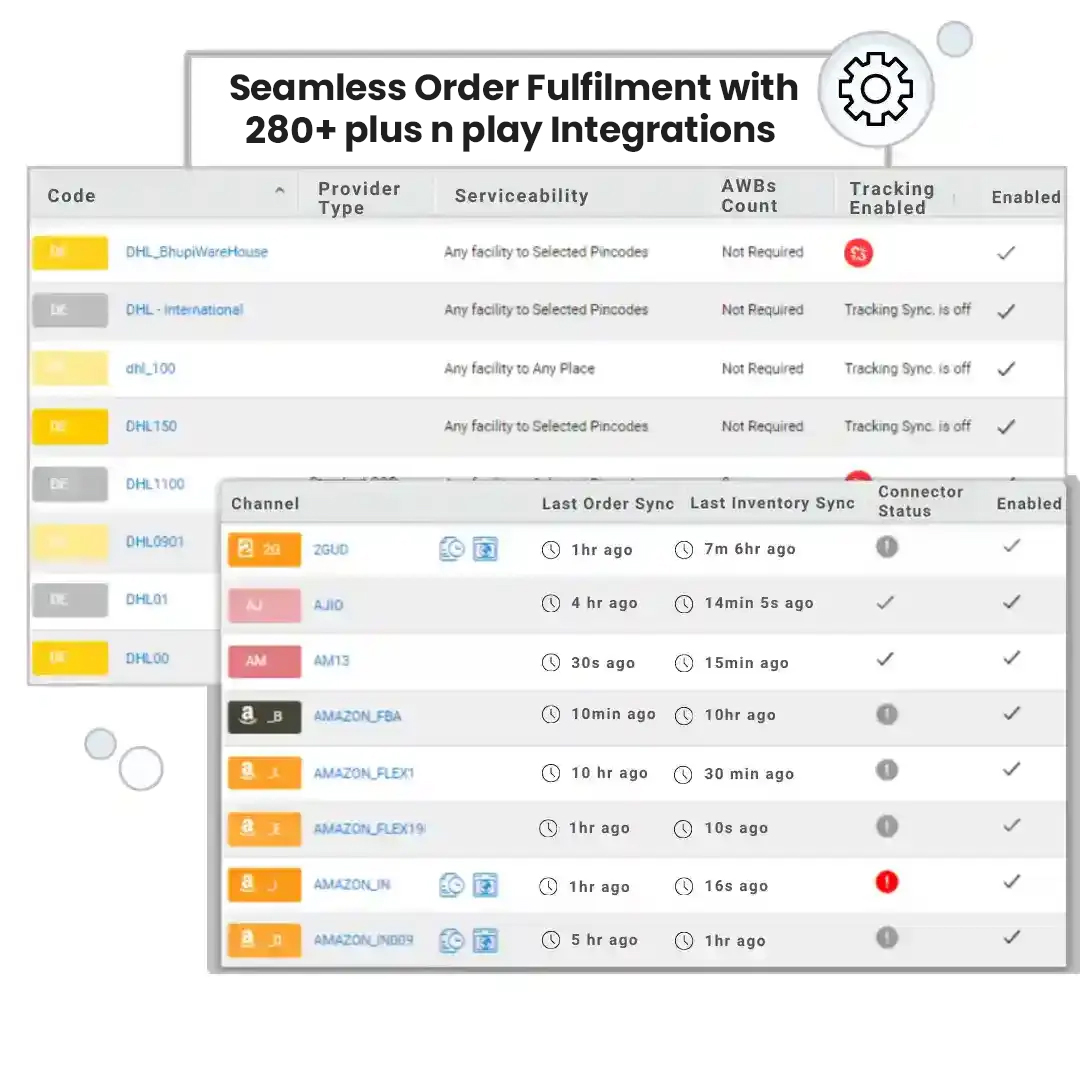
Improve your order processing and fulfillment operations with our OMS that offers you multiple integrations. Expand sales across websites, apps, and various marketplaces with easy channel selection and one-time setup for automated inventory and order synchronization. Integrate with multiple logistics partners based on product type, customer location, and transport mode, all configurable within the panel for optimal partner allocation per order. Ensure a smooth and continuous exchange of data across all integrated platforms, maintaining consistency and accuracy in order processing and fulfillment. Post-integration get a centralized view of all orders, with details like sales channel, order time, customer info, status, payment, and product, all accessible under a single tab.
Automate Every Aspect of Multichannel Selling with Cloud-Based Order Management
Revamp your order management game with Unicommerce’s centralized system, which seamlessly juggles orders from multiple sales channels – all in one easy-to-use dashboard!
MAXIMIZE SALES
Expand the capacity of your e-commerce business and maximize sales volume through multichannel retailing.
- Multichannel Capabilities
Captures incoming orders from various channels, processes them through defined protocols, and fulfils them through the supply chain to ensure accurate delivery.
- Robust Inventory Management
Automate syncing of live available inventory across all different locations, allowing to view and process the details of the entire inventory on a single platform.
- Improved Logistics Cost
Reduce man-hours for processing high-volume orders across multiple channels, enabling efficient bulk order handling and boosting sales.
- Sales Order Visibility
Centralized dashboard to provide sellers with full visibility of every order from various sales channels, including own app/website and marketplaces.
AUTOMATED ORDER FLOW
Automate and streamline every stage of order management, from creation and verification to returns processing and quality control, for efficient and accurate order handling. Automatic order creation from web-store/marketplace integration, enhancing speed and accuracy. Each order is verified against inventory availability, with unfulfillable orders flagged for manual review and successful ones moving to fulfillment. Returns, classified as Courier (RTO) or Customer Initiated (CIR), are tracked with our OMS for efficient processing. Returned products undergo quality checks, with approved items restocked for sale across channels, or sorted into reject lots for further action.
OPTIMIZED LOGISTICS COST
Improve operational efficiency and logistics cost-effectiveness with our multichannel order management system. Reduce man-hours by efficiently handling large volumes of orders across various channels, including marketplaces, web stores, and physical outlets. Automatically selecting the best-suited inventory location and logistics partner based on criteria like location, stock availability, demand channel, and order value. Create dynamic product bundles using different SKUs in real-time, enhancing average order value and optimizing shipping costs. Gain a unified perspective of all logistics activities, streamlining management and decision-making processes.
PLUG AND PLAY INTEGRATIONS
Improve your order processing and fulfillment operations with our OMS that offers you multiple integrations. Expand sales across websites, apps, and various marketplaces with easy channel selection and one-time setup for automated inventory and order synchronization. Integrate with multiple logistics partners based on product type, customer location, and transport mode, all configurable within the panel for optimal partner allocation per order. Ensure a smooth and continuous exchange of data across all integrated platforms, maintaining consistency and accuracy in order processing and fulfillment. Post-integration get a centralized view of all orders, with details like sales channel, order time, customer info, status, payment, and product, all accessible under a single tab.
What Unicommerce’s Order Management Software (OMS) Offers?
Unleash the full potential of your business by leveraging the power of Multichannel Retail. Share your live inventory with the world’s leading marketplaces and carts seamlessly integrated with Unicommerce’s Order Management System Software!
Bulk Order Processing
Facilitates swift and simple bulk order processing and fulfillment with our multichannel order management system as it integrates all the orders into one cohesive screen.
Centralized Dashboard
Capture and examine an array of details with a unified dashboard that gives you updates on – pending orders, SLA breached orders, and unverified & failed orders – across multiple sales channels.
Returns Management
Manage end-to-end order returns efficiently with the future-ready returns management features, which are specifically designed to improve inventory traceability.
Picking, Packing, and Invoicing
Print customized invoices and shipping labels in various formats based on factors like product size, packaging, and taxation norms.
Facility Allocation
Route orders to optimal facilities based on configurable routing rules that factor in parameters such as inventory availability, facility capacity, and order value.
Dashboard and Analytics
Access comprehensive analytics on order processing, revenue, purchases, shipments, returns, cancellations, and key metrics for informed decision-making.
Multi-Interface Support
Enjoy seamless access on computers, Android, and iOS devices, with support for various file formats like PDF, JPEG, Excel, and CSV.
Finance and Accounting
Streamline financial operations with automated accounting, e-invoicing, pricing, and GST compliance, integrated with your accounting systems or ERPs.
Logistic Provider Allocation
Configure allocation of Logistics Partners based on serviceability area, proximity, and order value for self-ship orders, among others.
What Unicommerce’s Order Management System (OMS) Offers?
Unleash the full potential of your business by leveraging the power of Multichannel Retail. Share your live inventory with the world’s leading marketplaces and carts seamlessly integrated with Unicommerce’s Order Management System!

Bulk Order Processing
Facilitates swift and simple bulk order processing and fulfillment with our multichannel order management system as it integrates all the orders into one cohesive screen.

Centralized Dashboard
Capture and examine an array of details with a unified dashboard that gives you updates on – pending orders, SLA breached orders, and unverified & failed orders – across multiple sales channels.

Returns Management
Manage end-to-end order returns efficiently with the future-ready returns management features, which are specifically designed to improve inventory traceability.

Picking, Packing, and Invoicing
Print customized invoices and shipping labels in various formats based on factors like product size, packaging, and taxation norms.

Facility Allocation
Route orders to optimal facilities based on configurable routing rules that factor in parameters such as inventory availability, facility capacity, and order value.

Dashboard and Analytics
Access comprehensive analytics on order processing, revenue, purchases, shipments, returns, cancellations, and key metrics for informed decision-making.

Multi-Interface Support
Enjoy seamless access on computers, Android, and iOS devices, with support for various file formats like PDF, JPEG, Excel, and CSV.

Finance and Accounting
Streamline financial operations with automated accounting, e-invoicing, pricing, and GST compliance, integrated with your accounting systems or ERPs.

Logistic Provider Allocation
Configure allocation of Logistics Partners based on serviceability area, proximity, and order value for self-ship orders, among others.
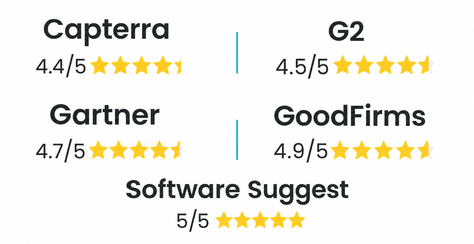
Customer Experience Reflecting Our Presence on Top Review Forums

“Our partnership with Unicommerce is a strategic move to enhance our e-commerce capabilities and stay ahead of the curve in a highly competitive market. With Unicommerce’s platform, we will be able to manage our operations more efficiently, reduce errors, and improve our turnaround time further for order fulfillment. This will help us in our ongoing journey of delighting our customers through a seamless and hassle-free shopping experience, ultimately driving customer loyalty and business growth.”
“We are ecstatic to have Unicommerce as our technology partner. Unicommerce has a proven track record of enabling some of the leading digital businesses of India and we are confident that this association will enable us in streamlining some important tasks of our supply chain.”